
Digital Files Versus Framed Prints for Your Walls
A great owl portrait, a quiet mountain scene, or a hummingbird caught mid-flight can change the feeling of a room. But before that image reaches your wall, there is one practical choice to make: digital files versus framed prints. Neither option is automatically better. The right one depends on how much control you want, where the art will live, and whether you prefer a finished piece delivered to your door or the freedom to create it your way.
For many nature-art buyers, the appeal of a digital file is simple. You choose the size, paper, frame, and printer that fit your space. A framed print, on the other hand, removes those decisions and arrives ready to hang. Both can look beautiful. The difference is in the experience before the image reaches the wall.
Digital Files Versus Framed Prints: The Real Choice
A framed print is a physical product chosen for you. The artist or gallery selects the print size, material, matting, frame style, and shipping method. That can be a welcome convenience when you know exactly what you want and would rather not think about printing details.
A digital file is the image itself, delivered at high resolution so you can have it printed through the vendor you prefer. You can use a local print shop, a specialty photo lab, or an online service. You can select a simple black frame for an office, a warm wood frame for a living room, or a larger statement piece for an entryway.
The question is not whether one format makes the photograph more meaningful. It is whether you want a finished object now or more choices over time.
Why Digital Files Work Well for Flexible Decorating
Homes are rarely decorated all at once. A framed print that looks perfect over one sofa may not fit after a move, a renovation, or a change in furniture. With a digital purchase, you can print when you are ready and choose a size that suits the wall you actually have.
This flexibility is especially useful for renters, new homeowners, and anyone furnishing several rooms on a budget. One image of a bald eagle or a colorful flower can become a small desk print today and a larger framed piece later. You are not locked into the first size or frame selection.
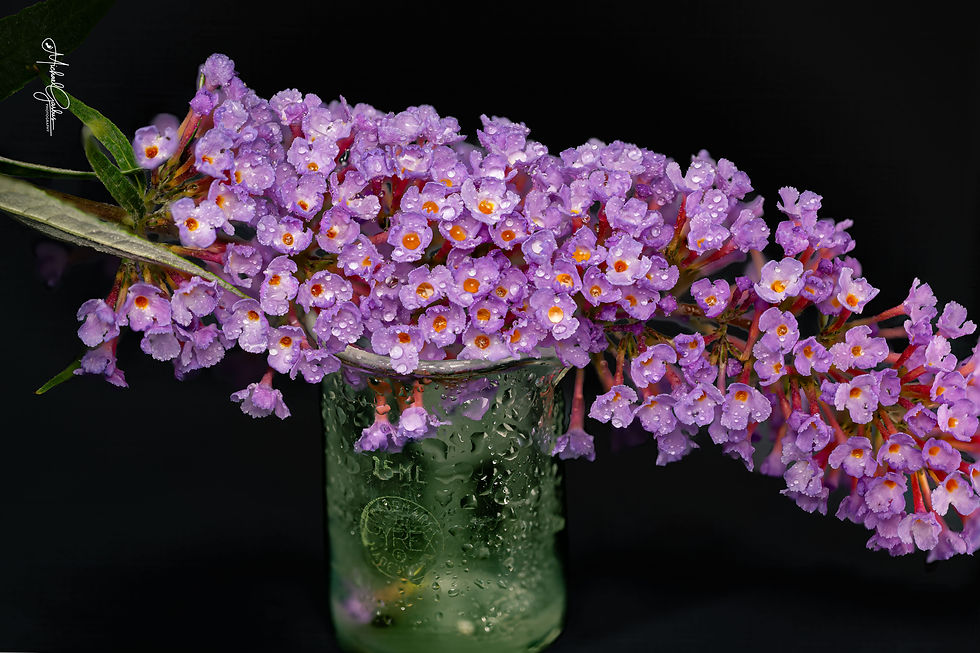
Digital files also make it easier to coordinate art with your existing style. A bright dragonfly image may call for a clean white mat and natural oak frame in a sunroom. The same image could look sharper in a thin black frame in a modern office. You get to make that call after seeing the image alongside your paint color, furniture, and lighting.
At Gallery by Michael, purchased images are delivered in three aspect ratios. That practical detail helps reduce a common concern: unwanted cropping. A photograph sized for one shape of frame does not always translate neatly to another. Multiple ratios give you more options for common print sizes, whether you are choosing a compact 8-by-10, a square display, or a wider landscape-oriented print.
You Can Print Locally and See Materials in Person
Printing locally can be a real advantage if you like to compare paper, canvas, metal, and frame samples before committing. A neighborhood frame shop can help you match a frame to other pieces in the room. Some photo labs also provide guidance on paper finishes, from matte surfaces that soften glare to glossy finishes that make saturated colors stand out.
This does require a little more involvement from you. You will need to upload the file, pick a size, and approve the order. For many buyers, that is a small trade-off for getting exactly the result they pictured.
Digital Files Can Be Better for More Than One Space
If you have several places that could use art, a digital file offers room to plan. Perhaps a dramatic night scene belongs in the hallway, while a smaller version of the same image would be welcome in a home office. A wildlife photograph can also make a thoughtful gift when printed and framed to suit the recipient's home.
The image license and permitted use should always guide how you print and share a file. Purchasing a digital image generally gives you personal display options, not permission to resell the image or use it commercially. Read the purchase terms so your use respects the artist's work.
When a Framed Print Is the Better Fit
Framed prints still have a strong place, particularly when convenience matters more than customization. If you are buying a gift for a birthday, housewarming, retirement, or graduation, an already framed piece can feel complete and immediately personal. The recipient can open it and find a place for it that day.
They also work well when you have a clear wall and a clear vision. Maybe you need one large landscape over a mantel, and you know the dimensions and frame color. In that situation, the simplicity of choosing a finished product can be worth the higher total cost.
A professionally framed print can save time, too. You do not need to compare printer reviews, learn about aspect ratios, or make another trip to pick up an order. For a busy buyer, fewer decisions can be the best feature.
The limitation is that you are purchasing one final version of the image. If you later want a different size, material, or frame, you may need to buy another print. Shipping is another consideration. Large framed art is heavier, more expensive to ship, and more vulnerable to damage in transit than a digital delivery.
Quality Is About More Than the Format
It is easy to assume a framed print is automatically higher quality because it arrives finished. That is not always true. Print quality depends on the original image resolution, the printer, the paper or material, color handling, and how the piece is framed.
A high-resolution digital photograph printed by a reputable photo lab can look exceptional. The fine feather detail in a raptor portrait, the texture of a wildflower, and the gradual color in a sunset all benefit from a sharp source file and thoughtful printing. Choosing a quality printer matters more than choosing the most expensive option.
Before placing a large order, check the printer's guidance for file size and recommended dimensions. If you are unsure about paper or finish, order a smaller print first. Seeing an image in your own light is more useful than trying to judge every detail from a screen.
For framed prints, look beyond the image itself. Ask about the frame material, protective covering, backing, and hanging hardware. A well-made frame protects the photograph and makes the piece easier to enjoy for years.
A Simple Way to Decide
Choose a digital file if you want control over sizing and framing, plan to print in more than one place, prefer a local printer, or want to spread the cost of decorating over time. It is a customer-friendly choice for people who enjoy making a space their own.
Choose a framed print if you want art that arrives ready to hang, are giving a finished gift, or do not want to spend time choosing print materials and frames. It is a straightforward option when the details are already settled.
There is also a middle ground. You can purchase a digital image, print it through a trusted photo lab, and have a local framer complete the piece. That path takes a little planning, but it combines the artist's high-resolution work with a finished presentation selected for your home.
The best wall art is not defined by whether it arrived in a box or an email. It is the photograph you still pause to look at months later - the owl's steady gaze, the open trail, the small flash of color from a bird in flight. Choose the format that makes it easiest to bring that moment into your everyday space.

Comments