
Private Family Photo Guide for Relaxed Sessions
The best family photographs rarely come from everyone holding a perfect smile for thirty seconds. They come from the small moments around it: a child reaching for a parent’s hand, siblings laughing at an inside joke, grandparents watching the group come together. This private family photo guide is built around one simple idea: a photo session should feel like time with your people, not a test everyone has to pass.
A private session gives your family room to be yourselves. There is time to settle in, adjust to the camera, and create images that look like your life right now. A good photographer will provide direction when it helps, then step back enough to let genuine connection show.
Start Your Private Family Photo Guide With the Feeling
Before choosing outfits or checking the weather, decide what you want the photographs to hold onto. Maybe you want a polished image for holiday cards, a graduation portrait with parents and siblings, or updated photographs because the kids have changed faster than expected. Those goals can all happen in one session, but naming the priority helps shape the plan.
Think about the mood that feels most like your family. Some families picture a clean, classic portrait with everyone looking toward the camera. Others care more about movement, laughter, and images that feel candid. Most people want a mix. Sharing that preference before the session helps the photographer balance the dependable group portrait with the less posed frames that often become favorites.
This is also the right time to mention the people who matter. A family photo session can include grandparents, adult children home from college, a new baby, a beloved dog, or several generations gathering for a special occasion. The more people involved, the more valuable a simple plan becomes, especially for getting one strong image of the full group before attention starts to wander.
Choose a Location That Means Something
The location sets the visual tone, but it also affects how comfortable everyone feels. A familiar backyard can make young children more at ease and gives the photographs a personal sense of place. A favorite park, garden, neighborhood street, or scenic outdoor setting can offer more room to move and a natural backdrop without feeling overly formal.
For families in the Washington DC metro area, location choices can range from quiet green spaces to more architectural city settings. The best choice depends on your group. A toddler who loves room to run may do better outdoors than in a busy downtown location. A graduating senior who wants a sharper, more editorial look may enjoy an urban backdrop. If mobility is a concern for grandparents or young children, prioritize easy parking, short walking distances, shade, and nearby restrooms over a location that only looks impressive online.
Light matters too. Outdoor sessions are often most flattering in the softer light near morning or later in the day. Midday can still work, particularly in open shade, but it may mean brighter highlights and more squinting. A photographer can help you weigh the look you want against the time that actually works for your family.
What to Wear for Natural Family Photos
Coordinated does not mean identical. Matching shirts and jeans can look tidy, but it can also make a group feel less like itself. Instead, begin with a small color palette and let each person choose clothes that fit their personality within it.
Earth tones, soft blues, warm neutrals, muted greens, denim, and simple layers usually photograph well in outdoor settings. A single pattern can add interest, while several competing patterns can pull attention away from faces. Large logos, neon colors, and highly reflective fabrics tend to be distracting, particularly in group photos.
Comfort is not a minor detail. If a child dislikes a stiff collar or an adult keeps adjusting an unfamiliar outfit, that discomfort can show. Choose clothing that allows sitting, walking, holding a child, and moving naturally. Bring a layer if the weather may shift, and consider shoes that suit the terrain rather than saving every decision for appearance alone.
For graduation sessions, a favorite outfit can sit alongside the more traditional cap-and-gown portraits. For a family gathering, it can help to encourage everyone to arrive dressed and ready rather than trying to coordinate final details at the location. That leaves more time for photographs and less time hunting for a missing shoe.
Make the Session Easier on Children
Children do not need to perform for a camera. They need a little patience, a little play, and adults who are not treating every expression as an emergency. Telling children they are going to spend time outdoors, walk together, or play a few simple games works better than promising that they must smile perfectly.

Schedule around their usual rhythm when possible. A well-rested, recently fed child is generally more ready to participate than one photographed during a skipped nap or right before dinner. Bring water, wipes, and a small snack that will not leave bright crumbs or stains. Keep a favorite comfort item close if it genuinely helps, but avoid making it the center of every frame unless it is meaningful to your family story.
Parents often feel pressure when a child is shy, silly, or briefly uncooperative. Try not to let that pressure take over. A pause, a walk, or a moment held by a parent can reset the mood. Some of the strongest images happen when everyone stops trying so hard. The goal is not to make children act like adults. It is to photograph who they are at this age.
Build in Both Posed and Unscripted Moments
A thoughtful private family session usually begins with the images that need the most coordination. The full group looking toward the camera is often first, while everyone is fresh and present. From there, smaller groupings can follow: parents together, siblings, grandparents with grandchildren, couples, and individual portraits.
After those key photographs are covered, loosen the structure. Walk together. Let siblings talk. Ask a child to show a parent something interesting. Have grandparents sit with grandchildren for a quieter moment. These simple prompts create interaction without forcing anyone into an artificial pose.
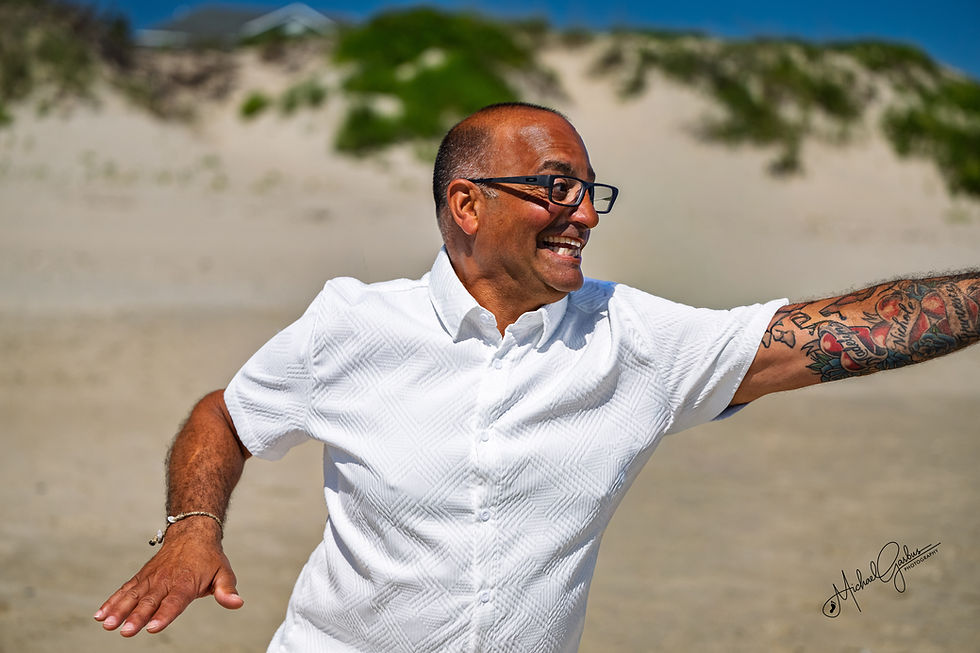
The trade-off is that candid-looking photography still benefits from some guidance. Without direction, hands may feel awkward, people can bunch together, and a busy background may distract from the group. A photographer’s job is not to freeze every moment into a pose. It is to make small adjustments that help a real moment photograph well.
Prepare for the Details That Change a Session
Weather is part of outdoor photography, and flexibility is useful. Clouds can create soft, even light. A light breeze can add movement. Rain, extreme heat, or strong wind may call for a reschedule or an alternate covered location. Discuss the weather plan ahead of time so nobody is making a rushed decision from a parking lot.
It also helps to arrive a little early. That gives children time to look around, adults time to settle, and everyone time to put away phones and keys. If someone is running late, do not assume the session is ruined. Let the photographer know, then focus on making the most of the remaining time rather than carrying stress into every image.
A few meaningful items can work beautifully when they have a real connection to the family. A graduate’s instrument, a young child’s well-loved book, a blanket made by a grandparent, or a family pet can add personality. Too many props can turn the session into a production, so choose only what supports the story.
After the Session: Choose Images for More Than One Use
When you receive your gallery, start by looking for the images that create an immediate feeling. The technically perfect frame is not always the one you will want on your wall. A photograph where everyone is laughing, a quiet parent-and-child portrait, or a slightly imperfect image that captures a familiar expression may mean more over time.

It is practical to choose a mix: one polished full-family portrait, a few smaller groupings, and individual images that deserve their own space. Think about where you may use them. Some photographs are ideal for announcements, gifts, or holiday cards. Others belong in a hallway, a desk frame, or a larger print where the details can breathe.
Gallery by Michael approaches photography with the same attention to lasting visual value found in nature and wildlife images: the final photograph should be something you want to return to, not just something you checked off a list.
Bring a little flexibility, give each other permission to relax, and let the session reflect the people in front of the camera. Years from now, the details you remember may be less about whether every shirt was perfectly pressed and more about how your family looked together in that particular season of life.


Comments