
Choosing Flower Photography Prints for Your Space
Updated: Sep 1
A blank wall does not always need a major redesign. Sometimes it needs one close look at a orchid, a sunflower catching late-afternoon light, or the delicate structure of a wildflower in bloom. Flower photography prints bring color, detail, and a sense of the outdoors into spaces that may otherwise feel unfinished.

Unlike mass-produced décor, a well-made flower photograph gives a room a real moment from nature. You can see the curve of a petal, the texture of pollen, or the soft blur of a garden behind the subject. That balance of beauty and detail is why floral imagery works in so many places, from a quiet bedroom to a busy office or a thoughtful gift for someone starting a new chapter.
If you prefer a selection of photos and products to be produced for you based on your choices, please take a look at GalleryByMichael's procurement site: fineartamerica.com/profiles/michael-garbus or https://michael-garbus.pixels.com/
Why Flower Photography Prints Work So Well
Flowers are familiar, but they are never quite repetitive. A single bloom can feel bold, calm, joyful, dramatic, or even a little mysterious depending on its color, light, and composition. That gives floral wall art unusual range. Bright coneflowers and sunflowers can add energy to a kitchen, entryway, or creative workspace. A pale lily, a soft rose, or a close-up of a dew-covered bloom may feel more at home in a bedroom, reading nook, or bathroom.
Photography also preserves the honest character of a flower. It is not trying to make nature look perfect. A bent petal, a visiting bee, or a few marks left by weather can give an image more personality than a polished illustration. For gardeners, birdwatchers, and anyone who spends time outdoors, those small details are often the point.
Floral photographs are especially useful when you want art that feels personal without being overly specific. A family portrait belongs to the people in it. A flower image can still reflect your taste while giving guests something open to enjoy in their own way.
Start With the Feeling and Color You Want in the Room
Before choosing an image, take a minute to notice how the room already feels. This is more useful than trying to match every color exactly. A photograph should have room to stand on its own, even if it picks up a shade from a rug, pillow, chair, or painted wall.
For a calm space, look for softer light, gentle colors, and images with some breathing room around the flower. A pale bloom against a muted green background can make a small room feel less crowded. For a room that needs a focal point, choose stronger contrast, saturated color, or a tighter macro composition that lets the flower fill the frame.
It also helps to consider the season you want to live with. Spring blossoms feel fresh and light. Summer flowers can bring warmth and color through darker months. Autumn seed heads, dried blooms, and grasses offer a quieter natural look. There is no rule that says wall art must match the current season, but a seasonal connection can make a photograph feel especially meaningful.
Let the Size Do Some of the Work
The size of the print changes the experience. A small image can be a nice detail on a shelf or in a gallery wall, while a larger flower photograph can become the visual center of a room. Close-up floral images often hold up well at larger sizes because they invite viewers to notice shape and texture from both across the room and up close.
A large print is not always the right answer. In a narrow hallway or above a small side table, one modestly sized image may look more intentional than an oversized piece that crowds the wall. If you are building a grouping, use a shared theme such as similar flower types, a consistent color family, or a mix of close-ups and wider garden scenes.
Choosing Color Without Overthinking It
You do not need to find a photograph that copies the colors already in your room. In fact, too much matching can make a space feel flat. A better approach is to decide whether the image should blend in or add contrast.

A print with lavender, cream, green, or soft pink can support an already peaceful palette. Orange, red, yellow, and deep purple can create a welcome spark in rooms dominated by neutrals. Green backgrounds are often easier to place than people expect because they connect naturally with wood, white walls, black frames, and many fabrics.
Black-and-white flower photography is another strong option, particularly for modern spaces or rooms with a lot of competing color. Without color pulling attention, the viewer notices line, shadow, and the structure of the bloom. The trade-off is that it may feel less cheerful than a full-color garden image. It depends on whether you want the wall art to energize the room or settle it down.
Digital Files Give You More Control
Buying digital flower photography gives you a choice that traditional framed art often does not: you decide where and how to print it. You can use a local print shop, a preferred online printer, or a service that can handle a larger canvas, metal, or fine-art paper print. You are not paying to ship a pre-framed piece that may not suit your space once it arrives.
High-resolution files matter here. They preserve detail when you move beyond a small desk print and want something made for a larger wall. At Gallery by Michael, purchased images are delivered in three aspect ratios. That practical detail makes it easier to choose a print size without forcing the image into an awkward crop.
The three-ratio approach is helpful because frames and print sizes are not all shaped the same. One ratio may work best for a standard rectangular frame, another for a more square display, and another for a wider wall arrangement. Instead of trying to stretch, trim, or guess at the image, you can select the file that better fits the size you want.
Paper, Canvas, or Metal?
The material you choose changes the character of the photograph. Fine-art or matte paper tends to give flower photography a softer, more natural appearance. It is a good fit for images with subtle tones, detailed petals, or gentle background blur. Glossy paper can make color appear more vivid, though reflections may be noticeable near windows or bright lamps.
Canvas adds texture and can make a large floral image feel relaxed and at home in a living room. It is less formal than a framed paper print and works well when you want an easy, finished look. Metal prints create stronger contrast and a modern finish, especially for bold colors or crisp macro subjects. They can be striking, but they may not suit every traditional or cozy setting.
For many homes, a quality paper print in a simple frame is the most flexible choice. You can change the frame later, move the print to another room, or refresh a gallery wall without replacing the artwork itself.
Frame for the Image, Not Just the Furniture
A frame should support the photograph instead of distracting from it. Natural wood often pairs beautifully with garden and wildflower imagery because it keeps the connection to nature visible. Black frames create definition and can make colorful blooms stand out. White frames feel clean and airy, particularly against darker walls or when the photograph has a light background.
If the image has intricate detail, consider a mat. A mat creates visual space between the photograph and the frame, helping a close-up flower feel less crowded. This can be especially useful with smaller prints. For a large, high-impact image, a full-bleed print without a mat may feel more immediate.
Do not overlook the glass. Standard glass is affordable, but it can reflect windows and lamps. Non-glare or museum-style glazing costs more, yet it can be worthwhile for art displayed in bright areas. If the print will hang across from a sunny window, placement and glazing can matter as much as the frame color.
Make the Print Part of Your Everyday Space
Flower photography does not have to be saved for a formal living room. A single botanical image can make a home office more pleasant during long workdays. A set of smaller prints can add life to a hallway that gets little natural light. A cheerful bloom in a kitchen can feel like a small reminder of the garden even when the weather is gray.
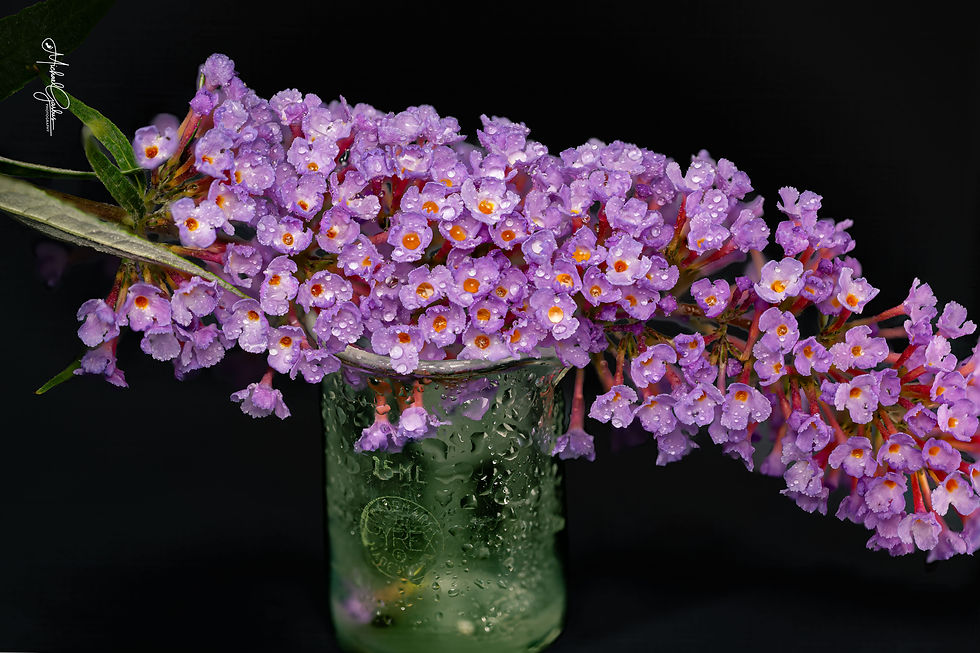
These images also make thoughtful gifts for graduates, new homeowners, gardeners, and people who are moving into a first apartment. The best choice is often not the most dramatic photograph. It is the one that feels connected to the person or place it is meant for: a favorite color, a flower that recalls a trip, or an image that simply makes them pause.
Choose the photograph that keeps catching your eye. When an image still feels alive after you have looked at it more than once, it is likely to earn its place on your wall.


Comments